

Transforming ASEAN Logistics – Highlights from the Supply Chain Innovation Summit
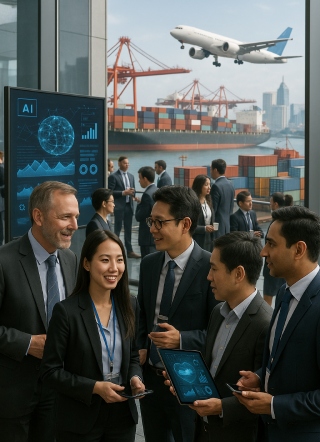
Hosted in Vietnam every year, the ASEAN Supply Chain Innovation Summit is a key event for the logistics and supply chain industries. It is a key platform for top-level networking and thought leadership and an excellent arena for discussion around issues and opportunities facing the sector in this region. With an emphasis on supply-chain risk management, AI integration, and the Environmental, Social, and Governance (ESG) paradigm, the summit places itself successfully at the forefront of the future shaping of supply chains in Southeast Asia.
The Importance of Supply Chain Innovation for Southeast Asia
Endowed with a strategic location in geography and fast-changing economies, Southeast Asia has now emerged as the world's logistics and supply chain center. The region thus has bustling trade corridors, from the Strait of Malacca to the main ports in Singapore, Malaysia, and Vietnam. Yet, this strategic advantage comes with its own set of obstacles. Supply chain resilience, sustainability, and digital transformation have all gained relevance as businesses remain vulnerable to interruptions posed by natural calamities and disasters, arising geopolitical tensions, and effects of the global pandemic hitting the ground.
The ASEAN Supply Chain Innovation Summit tackles these concerns right away. Application of the latest technologies in AI and in-depth risk strategies create an environment where all players-from logistics providers, to tech innovators-can come together and exchange ideas. There have been an ever-increasing focus on ESG within the sector, showing how the industry is witnessing an increased need for sustainable, responsible business practices in the way supply chains are managed.
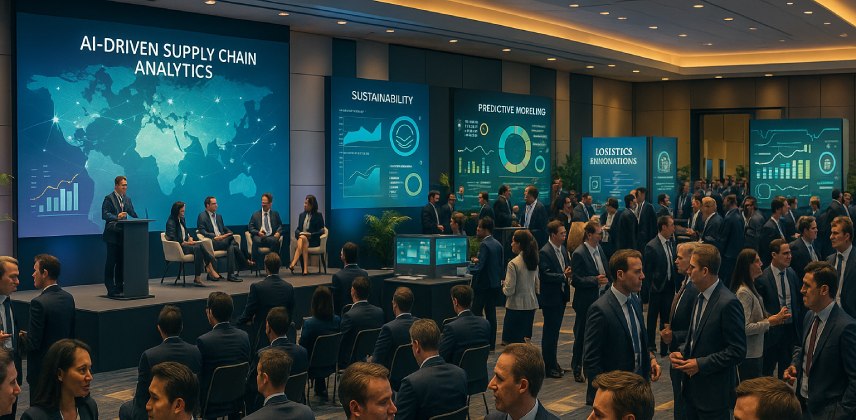
Key hemes and Areas of Focus at the Summit
The ASEAN Supply Chain Innovation Summit covers a huge range of themes pertinent to modern-day supply chains, with sessions designed to tackle the real issues and opportunities faced by logistics.
Supply Chain Risk Management
Supply chain risk management is one of the core themes of the summit. Businesses across Southeast Asia have faced significant disruptions in recent years, whether by the COVID-19 pandemic, the war in Ukraine, or extreme weather events. As a result, companies are giving more weight to risk mitigation strategies to enable them to remain in business.
The summit will investigate what businesses can do to create the most resilient supply chains through the use of risk forecasting models, supply source diversification, and data analytics. With experts sharing case studies and success stories, attendees learn how to develop their own more powerful risk management frameworks in order to reduce vulnerabilities.
AI in Supply Chain Optimization
With supply chains being revolutionized worldwide with AI, the same is unfolding for Southeast Asia. From predictive analytics to automation, AI opens a whole new realm of possibilities through which firms can optimize operations, cutting through inefficiencies and managing costs.
The summit tackles AI for demand forecasting, inventory, route optimization, and predictive maintenance. AI integration also leads to better contextualized decision-making, wherein companies can swiftly respond to market condition alterations and customer demand shifts.
Sustainability and ESG in Logistics
As sustainability comes to the foreground concerning businesses everywhere, the market for logistics is increasingly pushed to align operations along ESG axes. The summit defines the chain in the case of sustainable practices and discusses how ESG could be enriched as possibilities for logistics.
From carbon emission reduction measures in transportation to improving labor standards in warehouses, the summit offers an ideal platform to explore innovative ways businesses can satisfy ESG requirements while carrying on with profits. Case studies by listed companies provide ample evidence that implementing ESG considerations in supply chains benefits not only the environment but also the ethics and long-term growth of the company.
Networking Opportunities and Thought Leadership
Indeed, networking is one such key aspect that the ASEAN Supply Chain Innovation Summit offers. With industry leaders, innovators, and policymakers in attendance, participants can network, share ideas, and strike up strategic partnerships.
The summit equally aims to provide thought leadership, with keynote addresses, panel discussions, and workshops held by eminent personalities from different sectors of the economy. The topics of discussion range from the digitization of supply chains to the post-COVID world of logistics, providing perceptive trends and forecasts minded insights to the attendees.
For firms intending to stay at the forefront of supply chain innovations, the summit is the place to learn about such new technologies and techniques that shape the sector.
Growing the Role of ASEAN in Global Supply Chains
ASEAN becomes more important in the global supply chain scene. Formation of free trade agreements and rapid infrastructure developments in the region have placed Southeast Asia on the global map in trade. With growing markets like Vietnam, Indonesia, and the Philippines, ASEAN is well-prepared to cement its position as an economic giant.
The ASEAN Supply Chain Innovation Summit pushes this momentum onto greater heights, promoting collaboration between the ASEAN countries and foreign companies. In this regard, the summit fosters regional innovation and cross-border joint ventures, ultimately positioning the area for greater importance in the network of global supply chains.
The Future of Logistics Starts Here
The ASEAN Supply Chain Innovation Summit in Vietnam represents a watershed moment for the logistics and supply chain management industry throughout Southeast Asia. The summit becomes the most important platform for anyone wishing to remain at the forefront in this fast-evolving industry and addressing major topics such as risk management, AI integration, and ESG. Situated amidst seasoned practitioners of the field, the summit prioritizes networking, innovation, and knowledge that equip attendees to navigate the future of supply chains.